
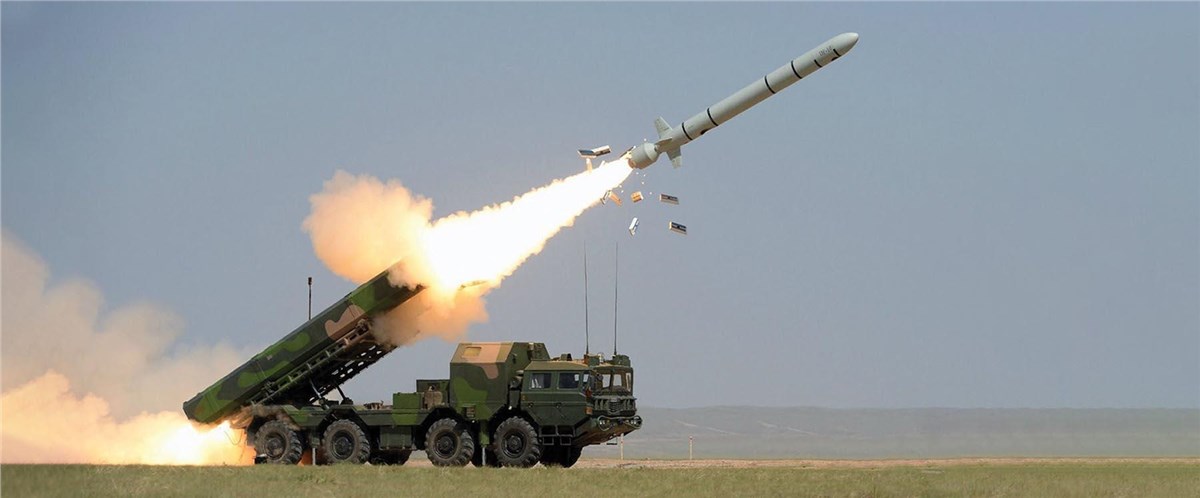
The proliferation and advancement of missiles are redefining modern conflict, enabling a set of capabilities ranging from stand-off strike against high-value targets to enhanced lethality against massed forces. As threats continually evolve, so do all the platforms, weapon systems and sensors, with one goal; to tackle those threats.
Recent lessons learned from the war in Ukraine, the Middle East, and elsewhere, show how the widespread use of cruise and tactical ballistic missiles can wreak havoc on logistical hubs, critical national infrastructure, and high-value military assets. Since the 2014 invasion of Crimea and the pivot to the Asia-Pacific (APAC), western forces have gradually shifted towards forces that would be better prepared to counter near-peer threats, bringing back tactics and equipment, such as long-range conventional artillery fire and deep strike, that was available during the Cold War.
But the wide variety of threats, with commercial-off-the-shelf equipment such as drones and loitering munitions, has enriched the capabilities of opposing forces, whether they are state or non-state actors. Therefore, multi-role platforms and systems that will integrate a wide range of capabilities are coming back to the scene. The development and deployment of new air-to-surface mini-cruise missiles, such as the UK’s SPEAR, and the push for new long-range ground-launched tactical ballistic missiles, such as UK’s Project NIGHTFALL, for deep precision strike are becoming a new reality at a period where maximisation of the return on investment is a key aspect.
Missiles also allow warfighters to be guided precisely towards a target and detonate the moment that will maximise the effect on the target or minimise collateral damage. The capabilities are extensive and that is only feasible with the use of advanced guidance and warhead technologies.
While from an industrial production aspect the missile market is less prone to delays, such as the munitions one, the fact that it is a complementary market will show the path for its growth. The current situation, as shaped by the wars in Ukraine and the Middle East, resulting in high demand for weapons for the war effort and the replenishment of the inventories, will provide a boost for the conventional missile market as well. Since the North American and European regions are leading the effort to support Ukraine, they will capture the largest share of the market.