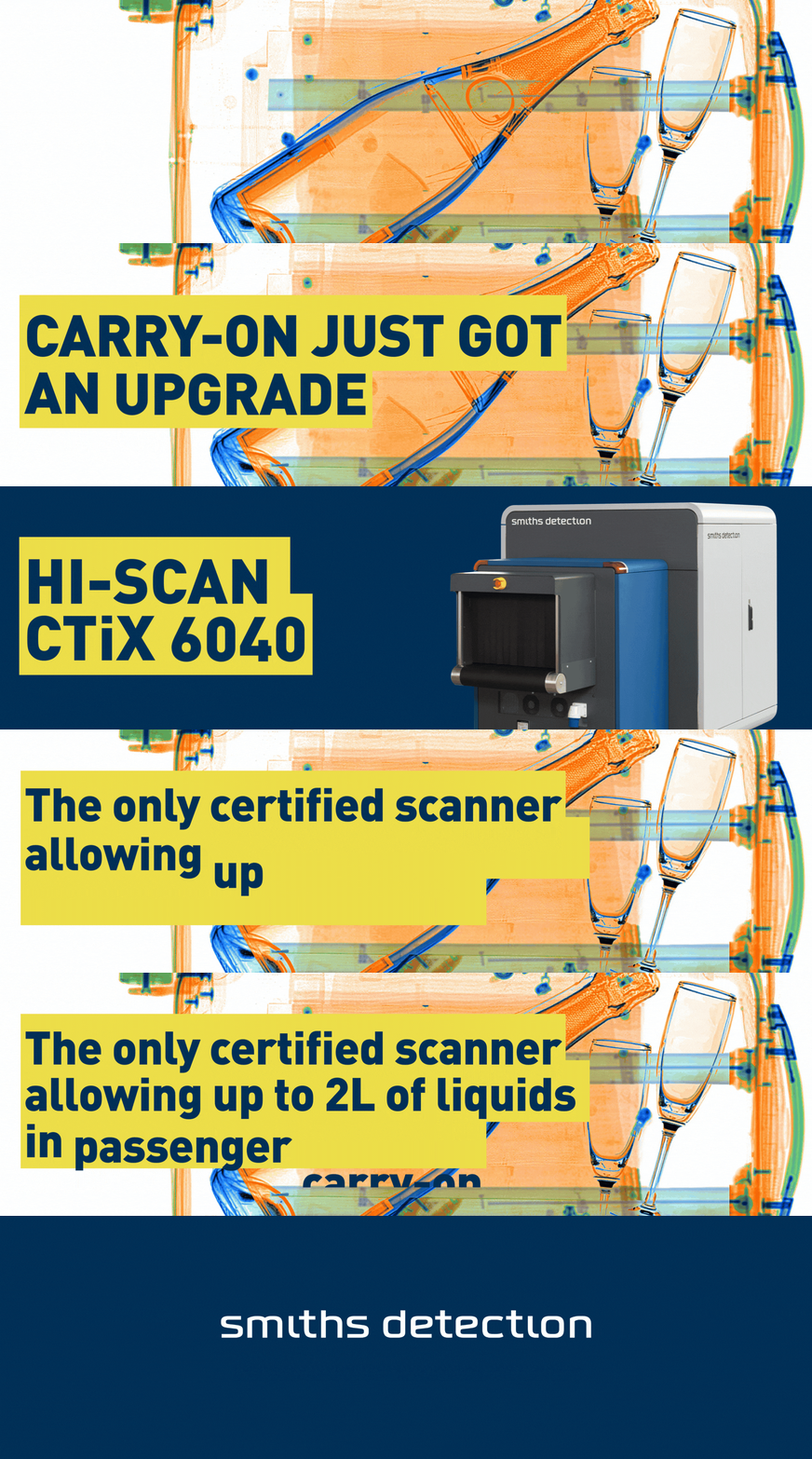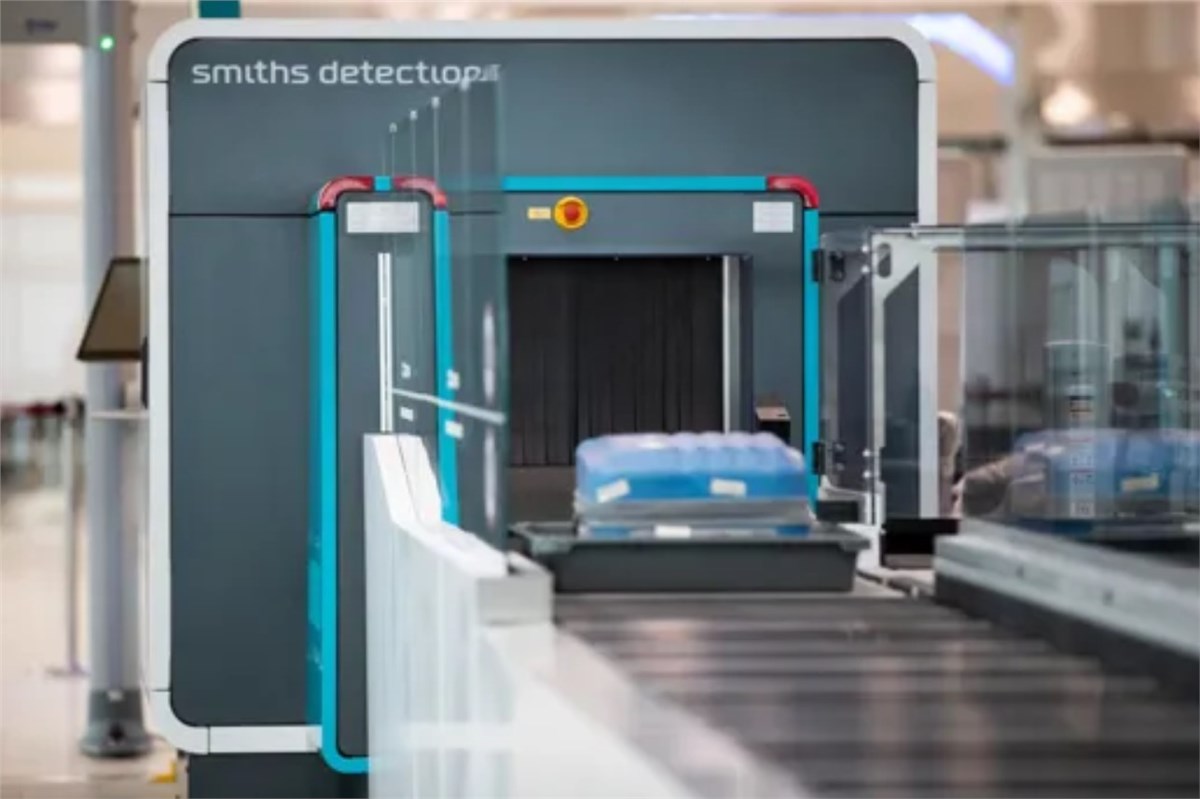
Smiths Detection, a global leader in threat detection and screening solutions, today announces the sale of its 2,000th HI-SCAN 6040 CTiX, an industry-leading 3D X-ray scanner with high-resolution 3D computed tomography images and intelligent AI-driven automatic detection capabilities.
The HI-SCAN 6040 CTiX is deployed across more than 100 airports in Europe, Asia-Pacific, the Middle East and the Americas. Operational experience across these regions has demonstrated consistent benefits for airports and passengers alike. Fewer false alarms mean faster, more reliable screening, and as threat profiles change, the technology keeps pace, strengthening security resilience over time. Meanwhile, in eligible locations, passengers no longer need to remove laptops or liquids from their bags, a small change that has a real impact on congestion at security checkpoints.
Matt Clark, VP Commercial at Smiths Detection, said: “The sale of our 2,000th HI-SCAN 6040 CTiX is a powerful endorsement of the trust airports around the world place in Smiths Detection. Our technology is helping airports improve passenger flow, strengthen security outcomes and stay ahead of evolving threats through intelligent, AI-enabled screening solutions. This exciting milestone underscores Smiths Detection’s engineering heritage, sustained investment in innovation and our commitment to creating a better passenger experience.”
Market forecasts by Region, Technology, System, Service and by End-Users. Market and Technologies Overview, Events based Forecast, Opportunity Analysis, and Leading Companies
Download free sample pages More informationWith thousands of systems installed worldwide, the HI-SCAN 6040 CTiX has become the global benchmark for aviation security screening. Its proven performance, reliability and upgradeability have made it the scanner of choice for airports seeking to enhance security while delivering a best-in-class passenger experience. Backed by an industry-leading training and aftercare programme, the HI-SCAN 6040 CTiX is designed to meet the demands of today's airports and adapt to those of tomorrow.