The European Defence Agency (EDA) has concluded the second stage of its Swarm of Biomimetic Underwater Vehicles (SABUVIS II) project after four years, preparing for a shift in naval operations beneath the seas.
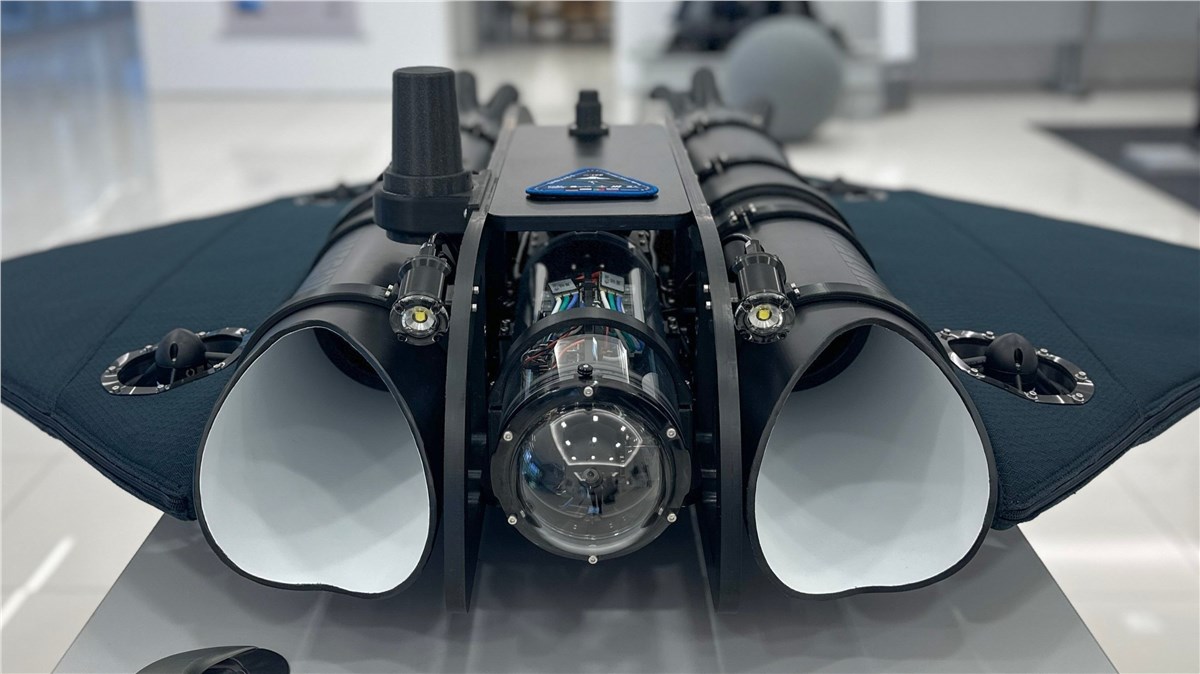
Instead of deploying separate drones loosely connected to one another, the project sought to create a coordinated swarm of autonomous underwater vehicles (AUVs) operating as one coherent system.
The project, which was managed by EDA with a budget of €3.7 million, brought together four participating Member States, with Poland as lead nation, and Germany, Portugal and Slovenia contributing. It concluded in early February 2026.
Market forecast by Region, Size, Operation Type, and Lifecycle Phase. Country Analysis, Market and Technology Overview, Critical Raw Materials, Opportunity Analysis, and Leading Company Profiles
Download free sample pages More informationBuilding on the first phase, the project addressed the technological and operational problems that are inherent to underwater autonomy: satellite-based tracking does not function beneath the surface, communication bandwidth is severely constrained, latency is high and the environment itself is unpredictable.
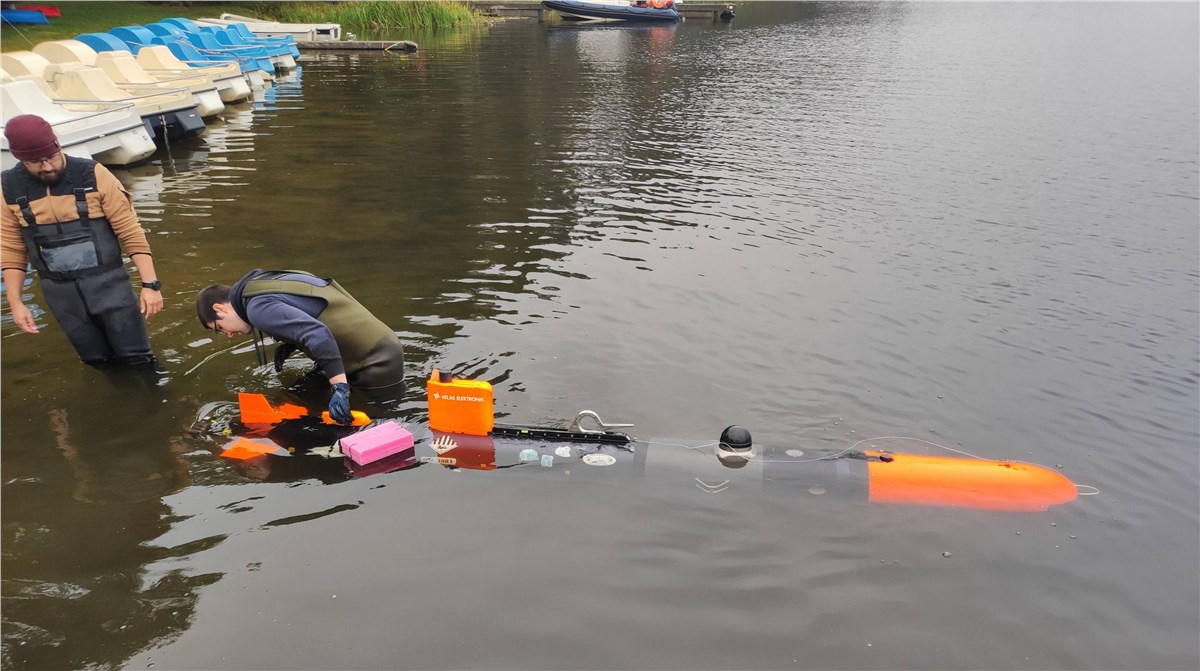
With field demonstrations in Poland, Germany, and Portugal during REPMUS 2025, mixed swarms of drones were tested in real-life settings. These trials enabled the coordination of swarm movement, reliable data exchange, formation control, and adaptive mission execution. They also advanced the integration of disparate systems through command-and-control (C2), ensuring interoperability among vehicles from different countries and manufacturers.
These results also build on earlier EDA work, notably the EDA SALSA project, which developed adaptive protocol technologies for self-configurable underwater acoustic networks. That enables reliable connectivity and data exchange among multiple autonomous platforms.
Machines with a ‘brain’
Traditionally, AUVs operate largely on their own. A swarm, however, shares data in real time and coordinates movements and tasks far more quickly and cost-effectively. The group can also adapt: if one unit fails, the other compensates. Losing one vehicle no longer jeopardises the entire mission.
SABUVIS II developed and assessed three complementary concepts:
SABUVIS II demonstrated that mission execution does not need to depend on a single platform. Heterogeneous systems can be aligned through common standards and interfaces. Beyond hardware and algorithms, the project established advanced simulation and testing environments where swarm behaviours could be evaluated and optimised as well as validated before deployment.
EDA believes the outcome is directly relevant to a range of future naval missions, including using intelligence, surveillance and reconnaissance (ISR), protecting of critical maritime infrastructure, harbour security, and high-risk operations.