Northrop Grumman Corporation (NYSE: NOC) has demonstrated a secure testing environment for microelectronics used in radiation-prone areas, such as space and nuclear facilities, under DARPA’s Advanced Sources for Single-event Effects Radiation Testing (ASSERT) program. This innovation can drastically reduce wait times faced at national testing facilities from years to months.
Microelectronics used in space and nuclear environments must be radiation-hardened to withstand extreme radiation levels and prevent performance malfunctions or damage. These systems must be rigorously tested to ensure they can function before entering the field. Since there are only four heavy-ion radiation testing facilities in the United States, testing can take years.
Northrop Grumman’s new technology drastically aims to reduce testing time, enabling processes that:
Market forecasts by Region, Sensor type, Type, and by End-User. Country Analysis, Market and Technology Overview, Opportunities and Impact Analysis, and Leading Company Profiles
Download free sample pages More informationExpert:
Jonathan Green, vice president and chief technology officer, Northrop Grumman Mission Systems, “Northrop Grumman’s decades of engineering excellence applied to DARPA’s ASSERT program resulted in this industry-changing solution. Improving these testing capabilities will significantly reduce the lead time on these critical microelectronics, ensuring our customers are receiving the systems they need faster than ever.”
Details on Program:
DARPA’s ASSERT program aims to revolutionize radiation-hardened microelectronics by developing compact, laboratory-scale alternatives to heavy-ion test facilities.
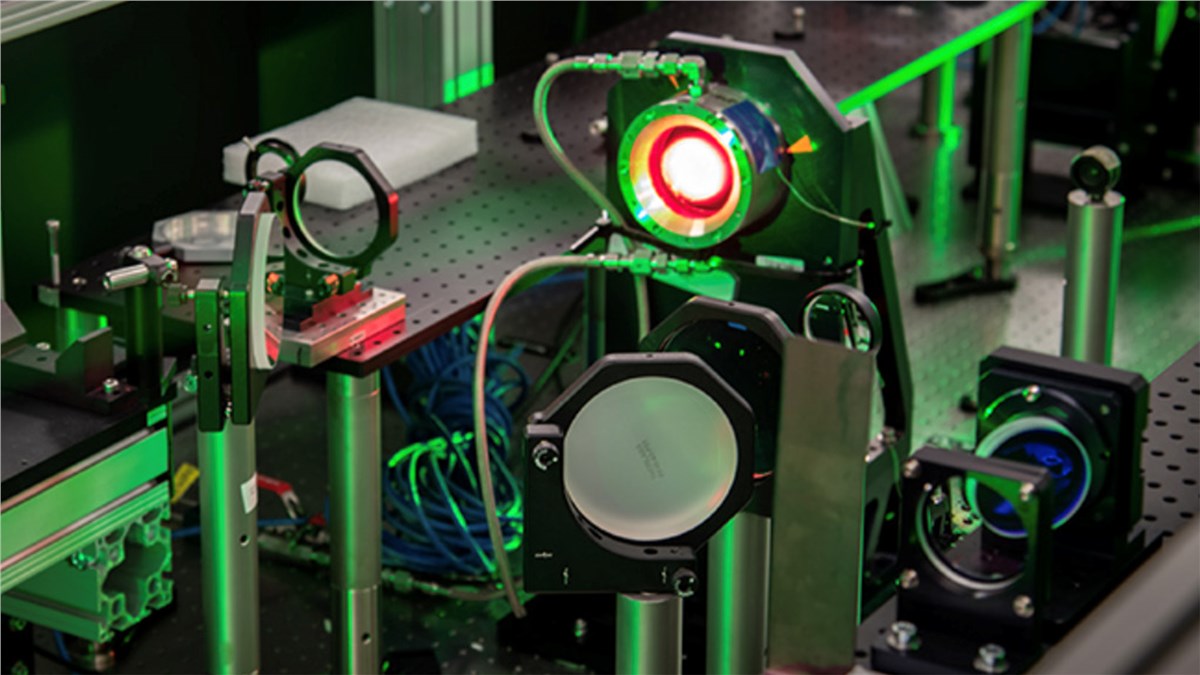
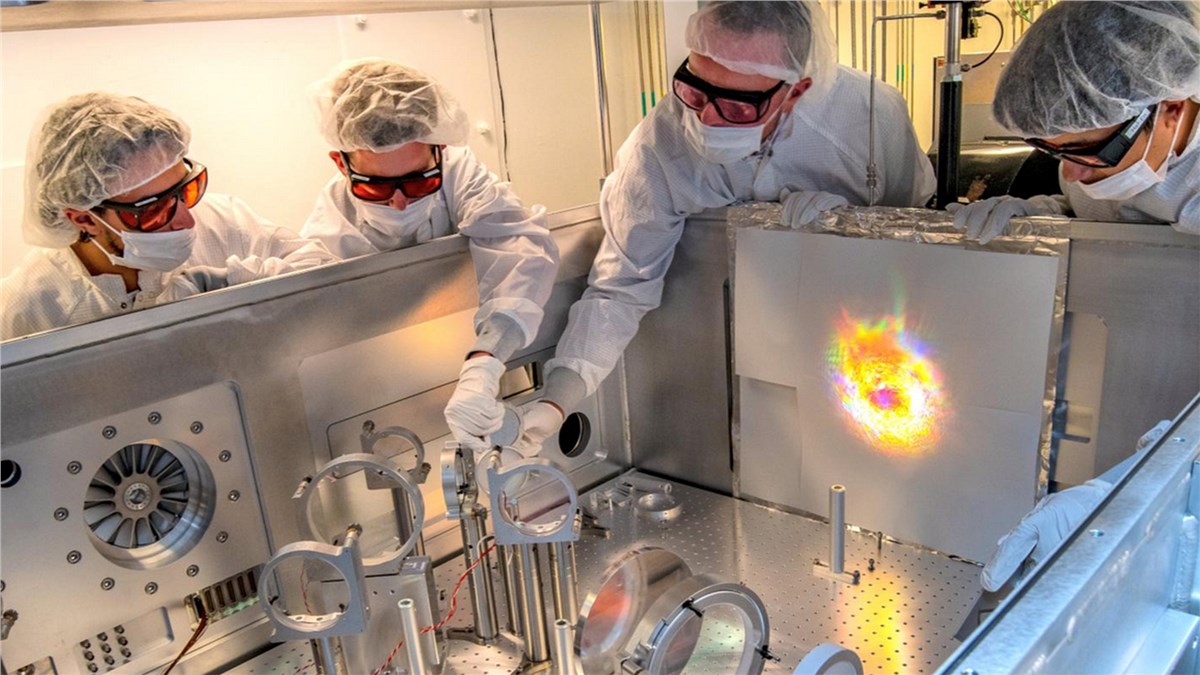
Northrop Grumman is partnering with Vanderbilt University and the Lawrence Berkeley National Laboratory to utilize laser plasma accelerator (LPA) technology, which is a compact, high-energy electron beam source for testing. This allows tests on packaged or stacked devices, like 3D-heterogeneous microelectronics, which current laser testing and other surrogate sources cannot currently perform. Built on decades of engineering and mission expertise for deep space observatories and national security missions where capturing the sharpest imagery is crucial to protect the homeland, subject matter experts from Northrop Grumman’s Adaptive Optics Associates-Xinetics (AOX) programs supported the development of the LPA prototype by rigorously testing it to ensure the technology is ready for, and capable of, withstanding the harshest environments.