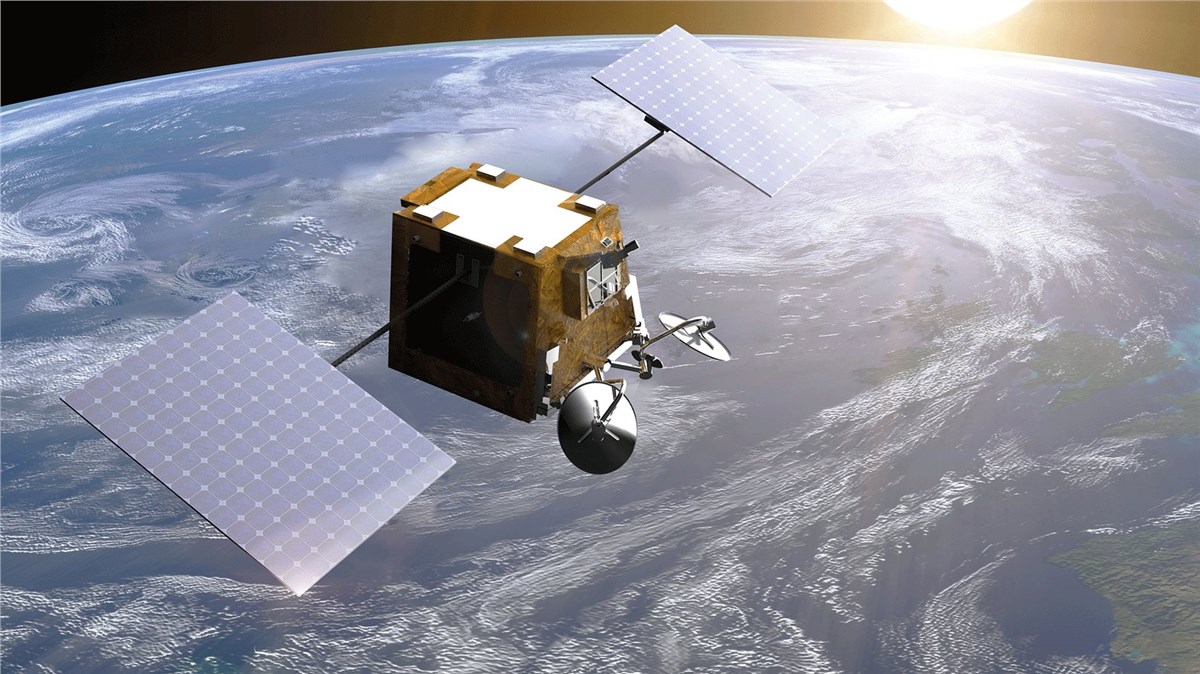
Rocket Lab USA, Inc. (Nasdaq: RKLB) (“Rocket Lab” or “the Company”), a global leader in launch services and space systems, today announced its selection by Airbus Constellation Satellites to provide high efficiency, space grade solar panels for 100 OneWeb Low Earth Orbit (LEO) satellites for Eutelsat Group. OneWeb satellites are designed to provide high-speed, low-latency global internet access to remote and underserved areas.
Rocket Lab will provide 200 solar panels, inclusive of carbon composite panel substrates, solar cells, and photovoltaic assemblies. These panels will be manufactured at Rocket Lab’s 150,000 square-foot space solar production facility in Albuquerque, New Mexico.
Rocket Lab’s panels will provide the large LEO constellation with approximately 80 kW of power, enough to power 16 Hubble-sized space telescopes.
Brad Clevenger, Vice President of Space Systems at Rocket Lab, stated, "We’re thrilled to extend our partnership with Airbus by providing our world-leading space solar panels to power Eutelsat’s next-gen OneWeb constellation. This collaboration will see 100 more satellites equipped with Rocket Lab technology, ensuring dependable, cutting-edge solutions that advance global connectivity."
In 2021, Rocket Lab provided more than 450 shipsets of solar array panels to Airbus for their first fleet of OneWeb satellites. Airbus is set to build the first batch of their next-gen 100 satellites with delivery targeted for 2026.

London, United Kingdom
May 5 - 7, 2026